

Assembly Kits: Building Neuro-Resilience
Specialized Tools for Fine Motor Control and Executive Functioning
To ensure the Therapist Toolbox remains functionally relevant, we conducted a targeted survey of the aging population and individuals living with disabilities. The #1 recurring frustration identified was memory loss and daily forgetfulness (e.g., misplacing keys or essential items). This audit addresses how assembly kits serve as a cognitive intervention for these validated pain points.
🧠 Why Building Matters in Recovery
For the aging population and those navigating recovery from TBI, assembly kits are more than hobbies—they are sophisticated tools for neuroplasticity. The structured nature of these kits targets Executive Functioning through high-level sequencing and strategic planning.
🎥 Essential Assembly Insights
Understanding how to utilize assembly kits effectively can change your recovery trajectory. Watch this breakdown on how it impacts your daily health and cognitive function.
🧱 Finding the Right "Build" for Your Path
We recognize that every recovery journey requires different levels of physical resistance and cognitive load. We have audited several alternatives to ensure accessibility for all strength levels:
- LEGO® & Technic: Best for high-precision motor skills and complex spatial planning.
- Model Cars: Ideal for adult-focused hobby therapy; requires high patience and steady-hand coordination.
- Lincoln Logs: A "low-resistance" stacking method perfect for individuals with arthritis or decreased grip strength.
- Magnetic Tiles: A tactile, low-force option that focuses on 3D spatial creativity over physical snapping.
📈 A Personal Evolution in Recovery
The true power of these tools is visible in long-term progress. We’ve tracked this trajectory firsthand—from the early, high-focus sessions of initial recovery to collaborative builds years later.
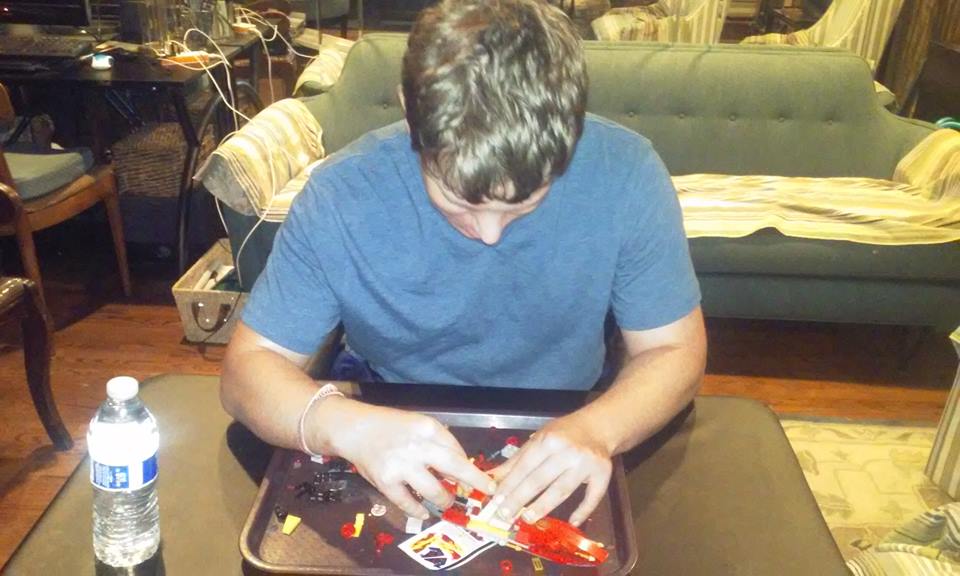
Early Recovery Build (9 Years Ago)
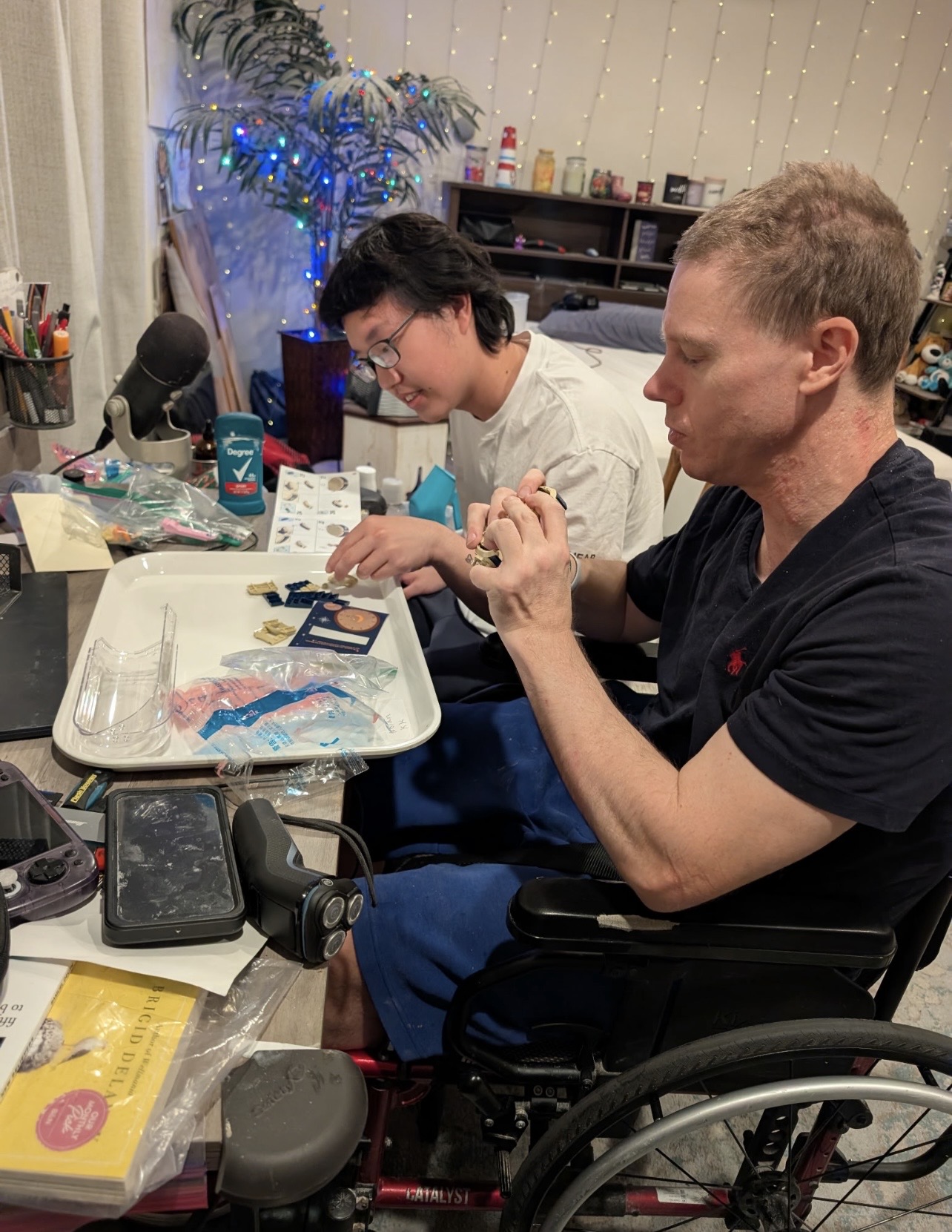
Current Collaborative Build
To reduce the "cognitive overwhelm" often found in our surveys, we recommend "Kitting": sorting pieces into small bowls labeled by step number. This allows the builder to focus on one single task without getting lost in the larger project.
Disclaimer: We are professional accessibility auditors and educators. This content is based on personal recovery experience and professional digital resource development for the therapy community.